

Stained Glass Coloring Pages



A Rich Variety of Designs for Every Taste
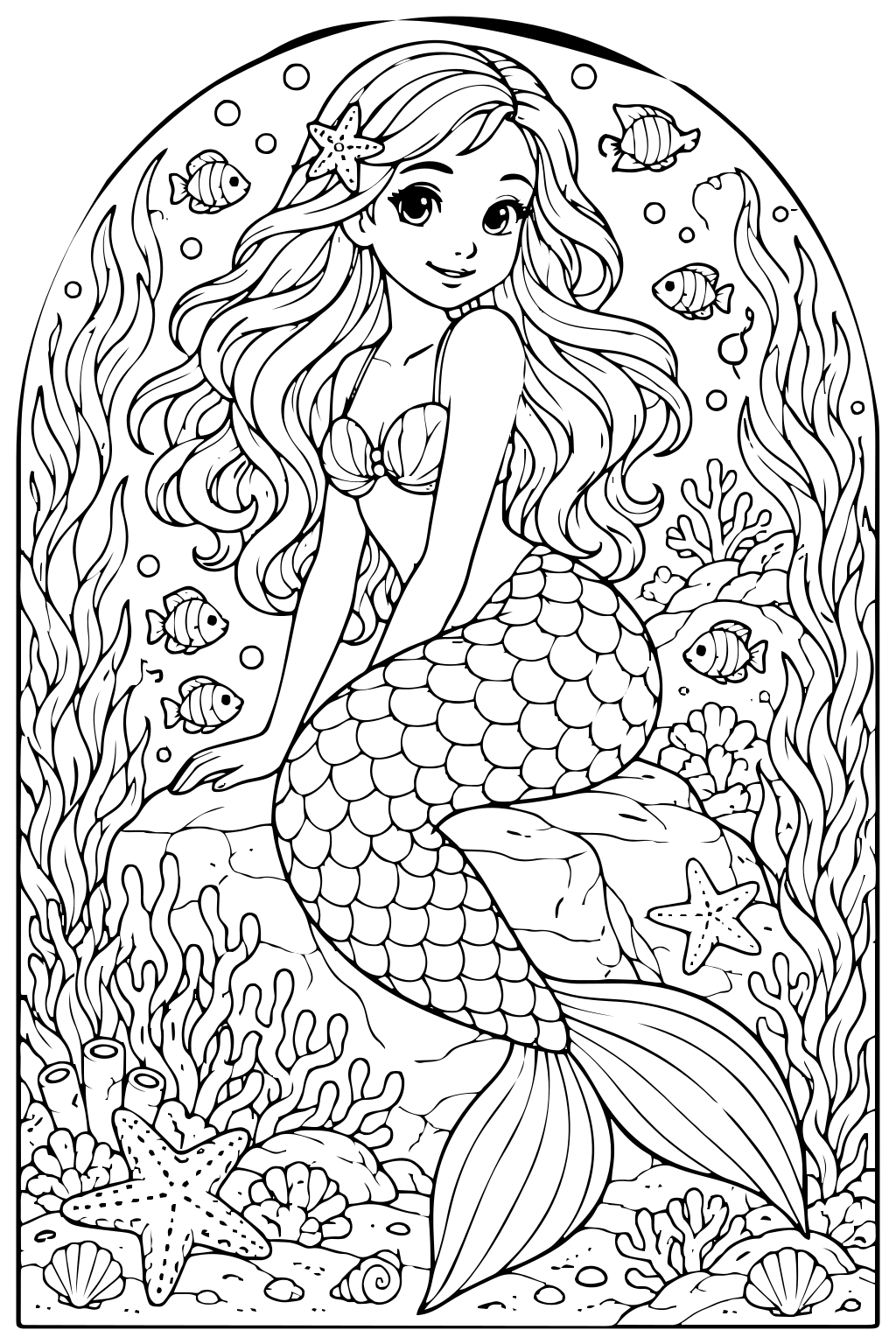
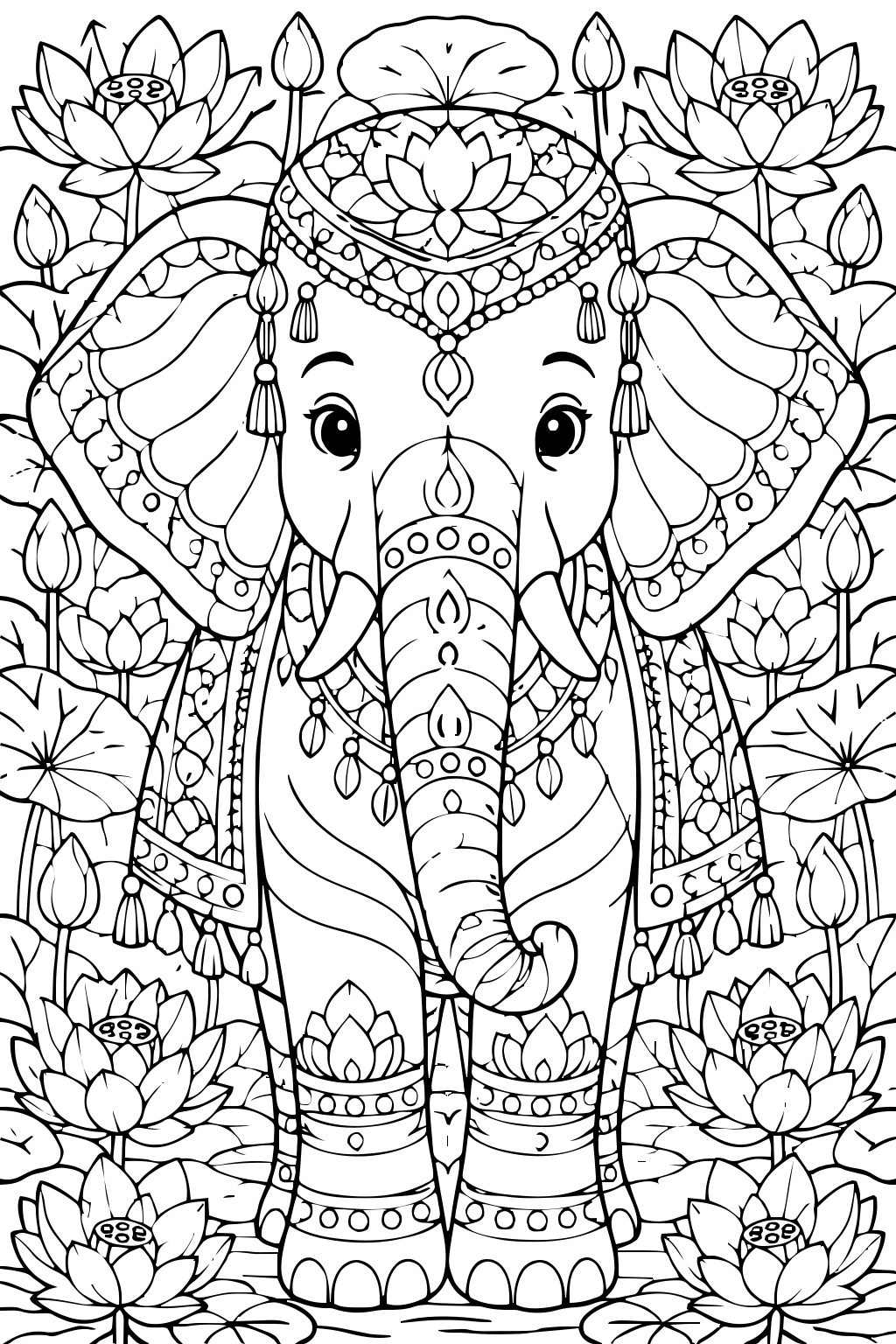
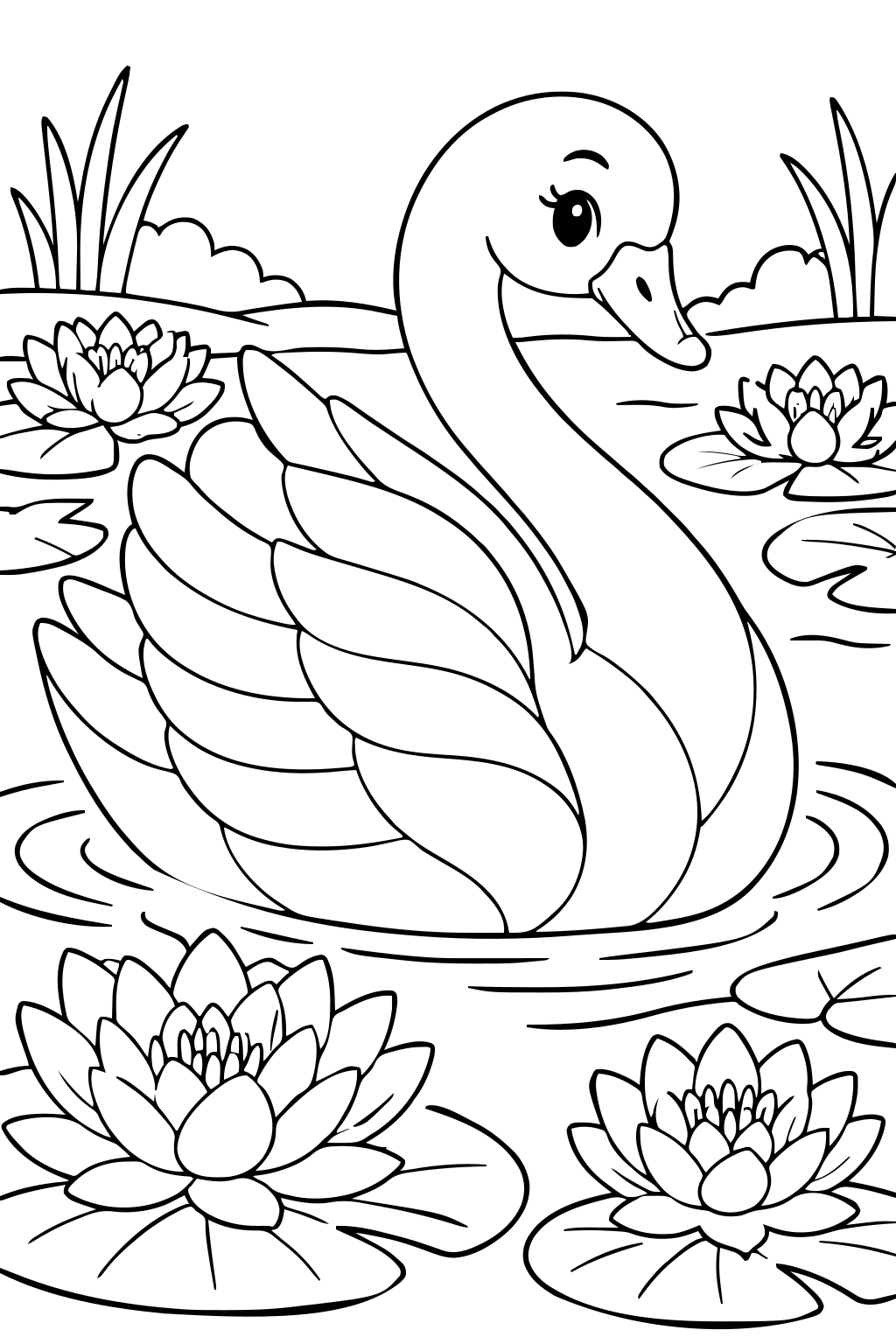
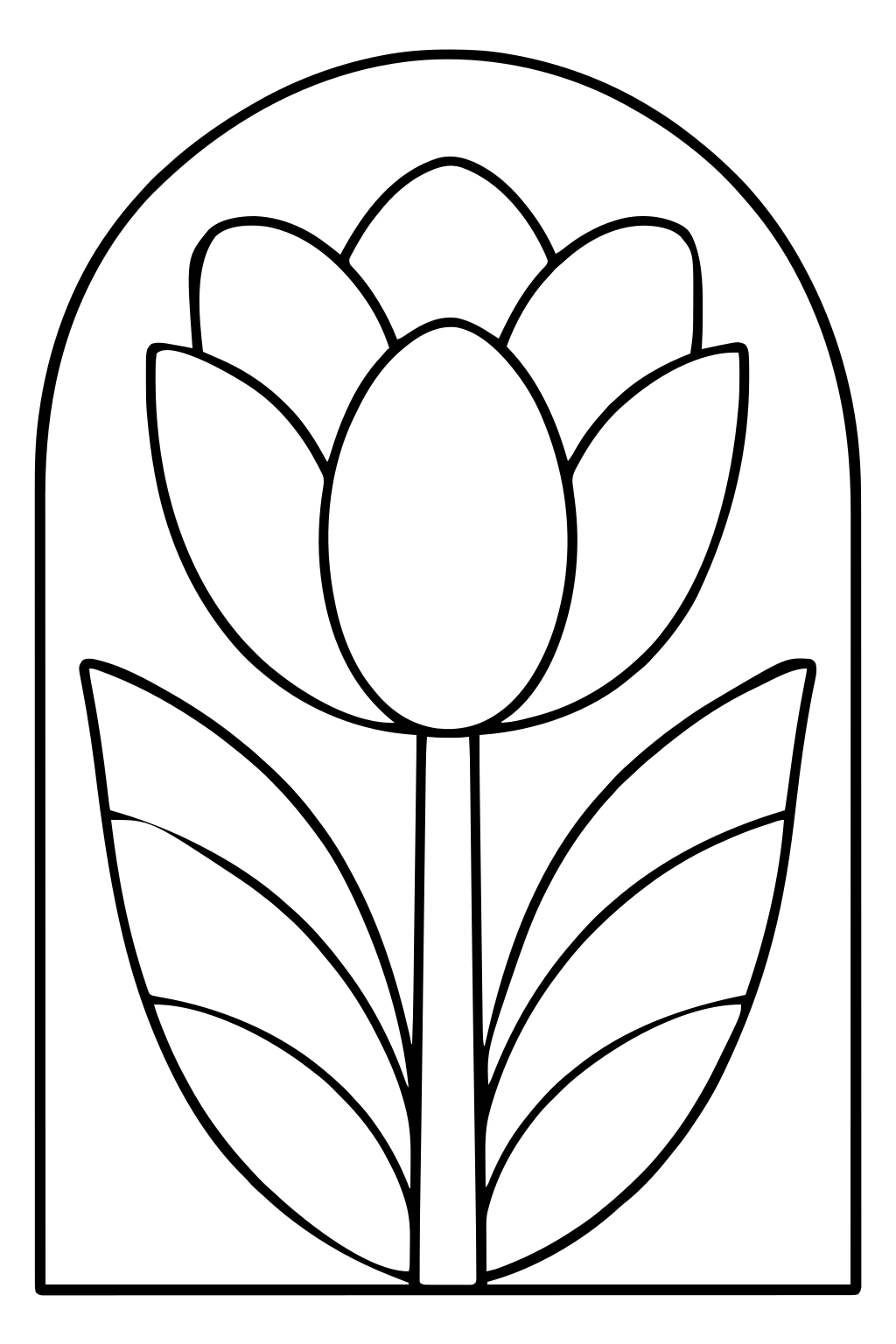
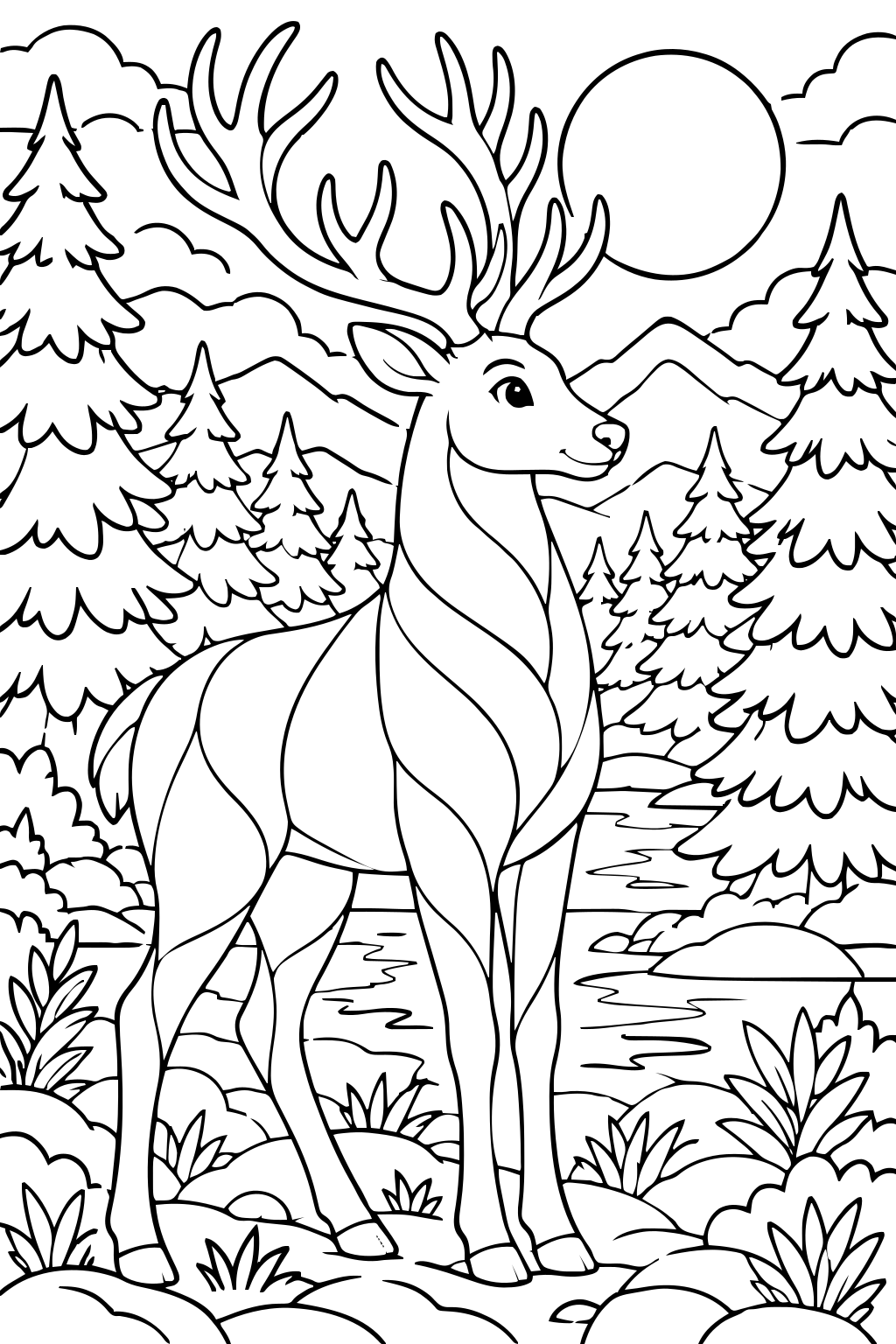
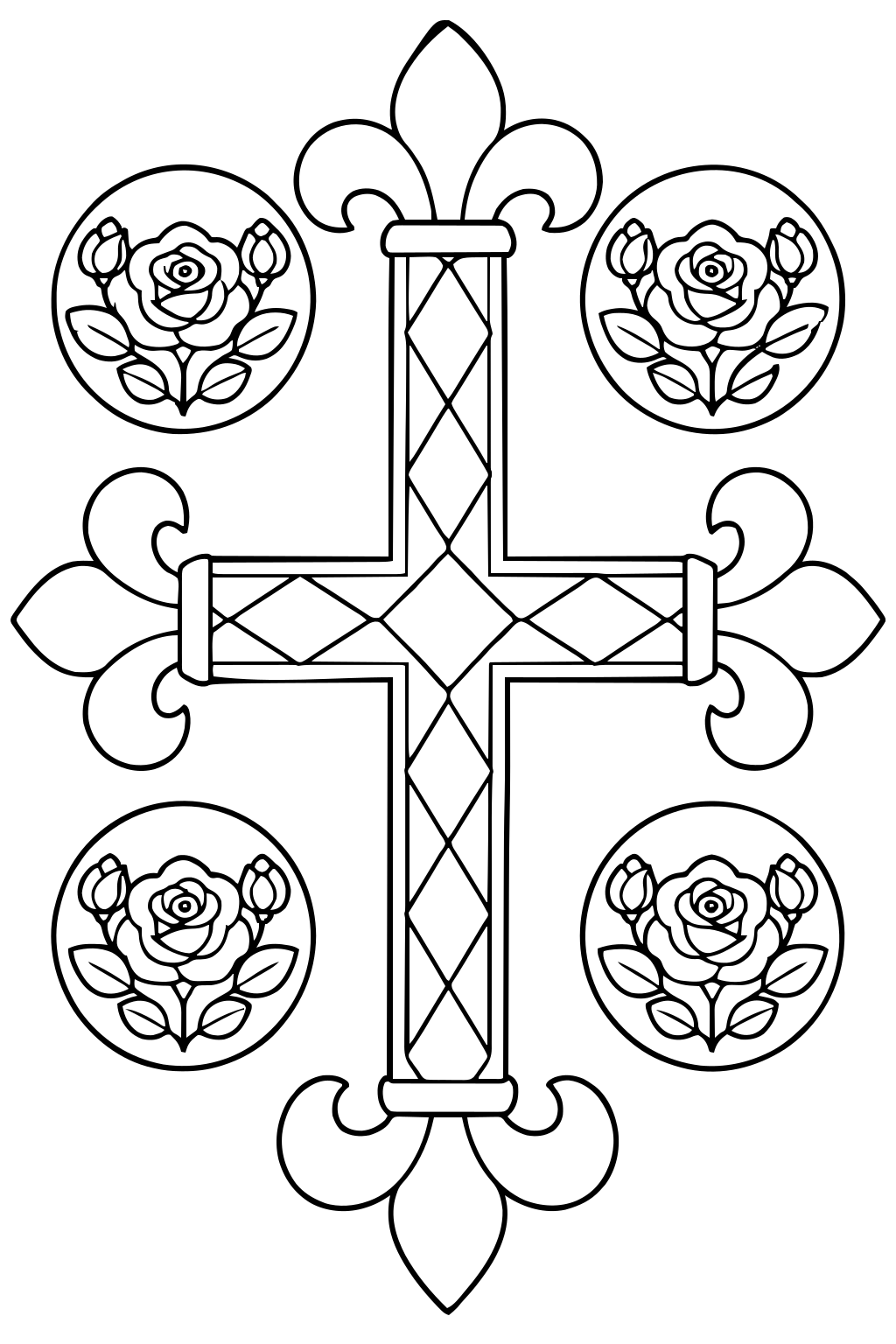
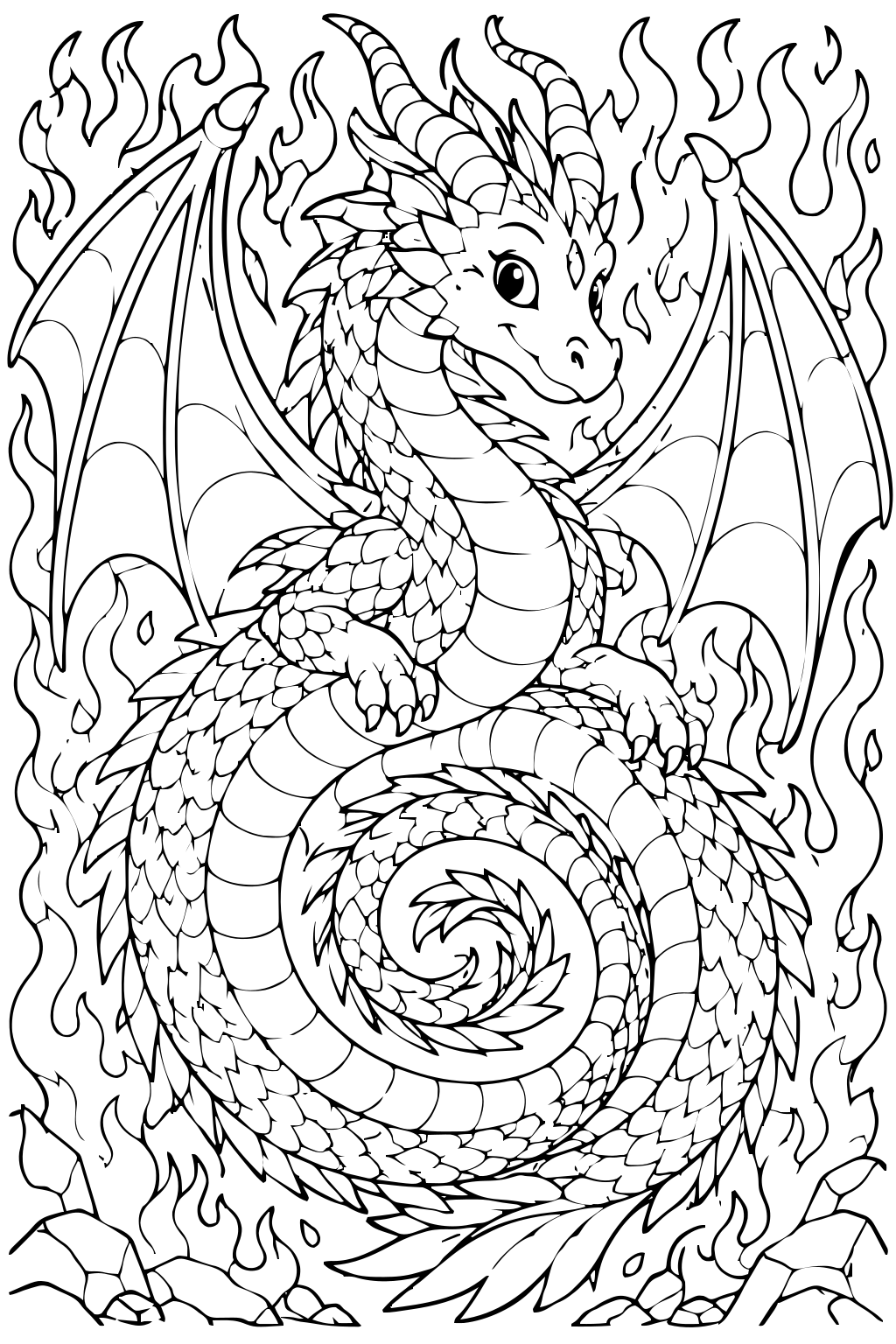
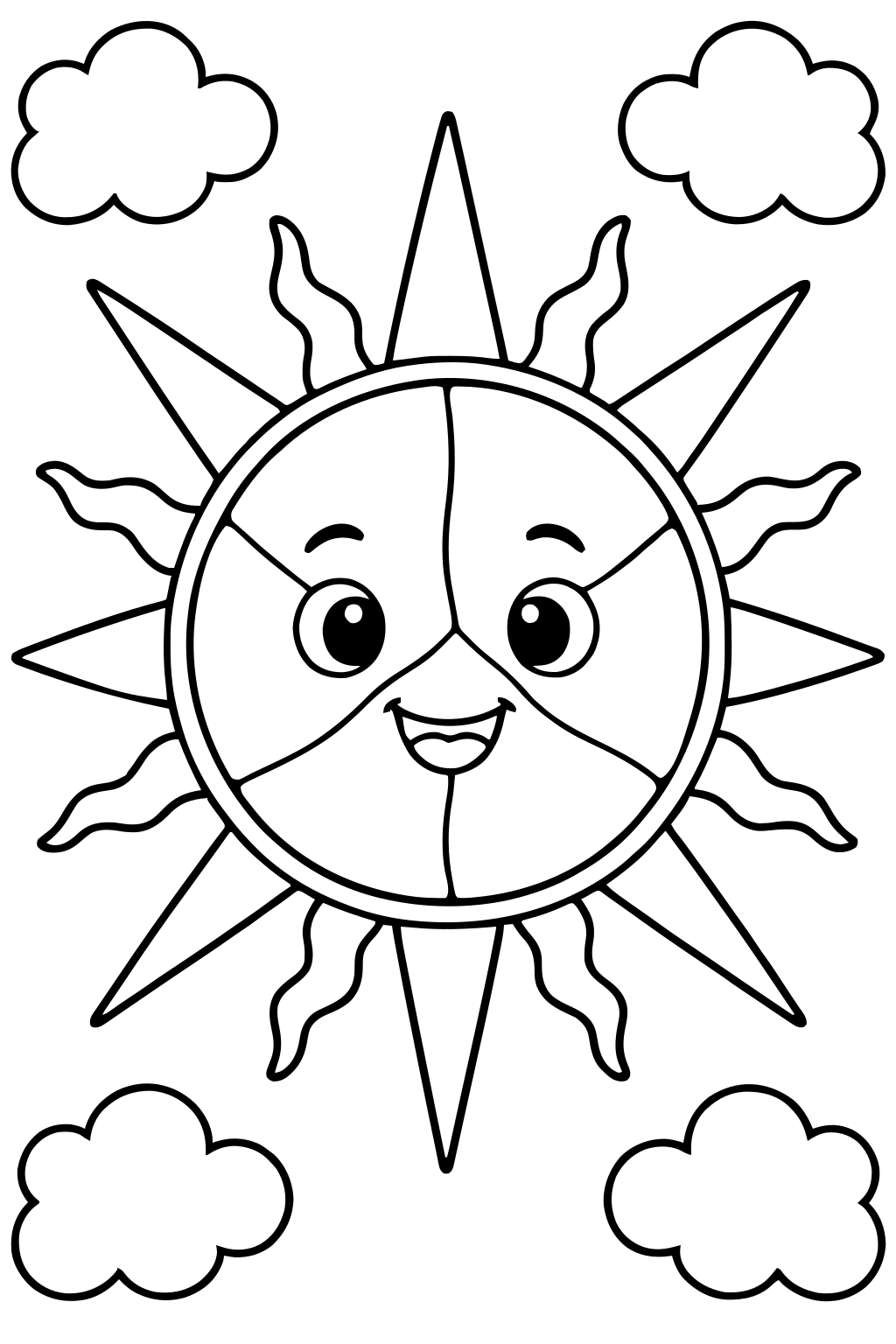
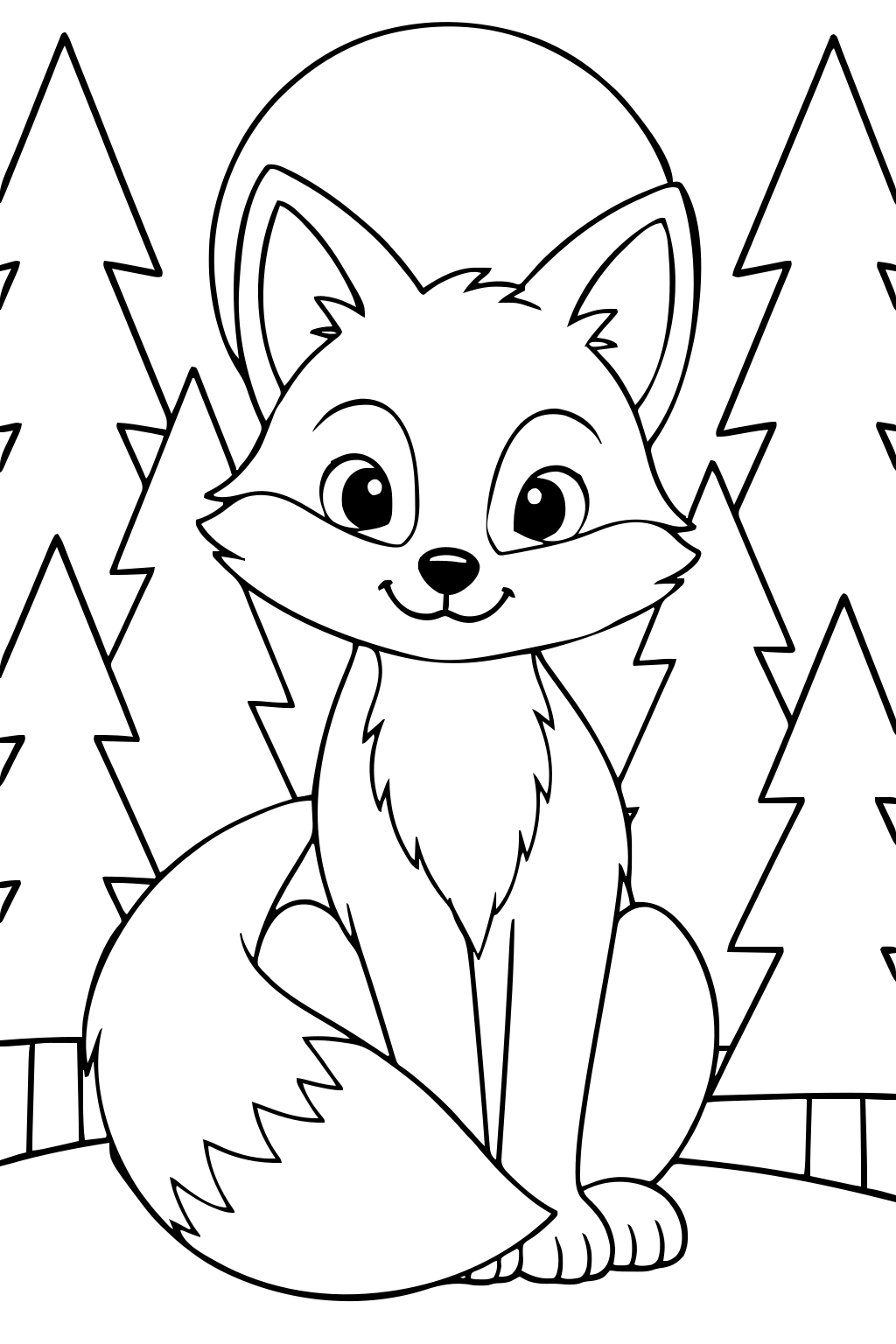
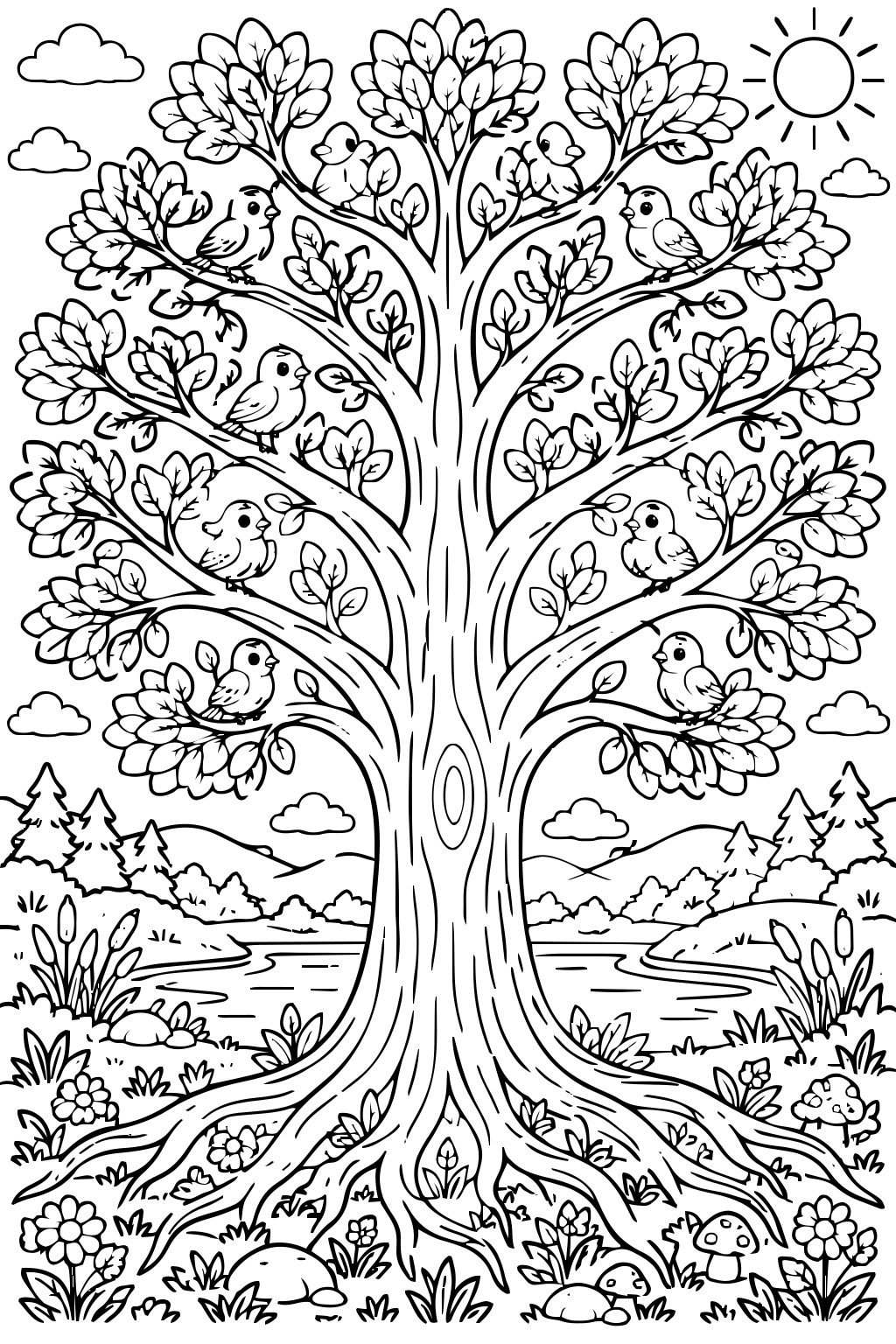
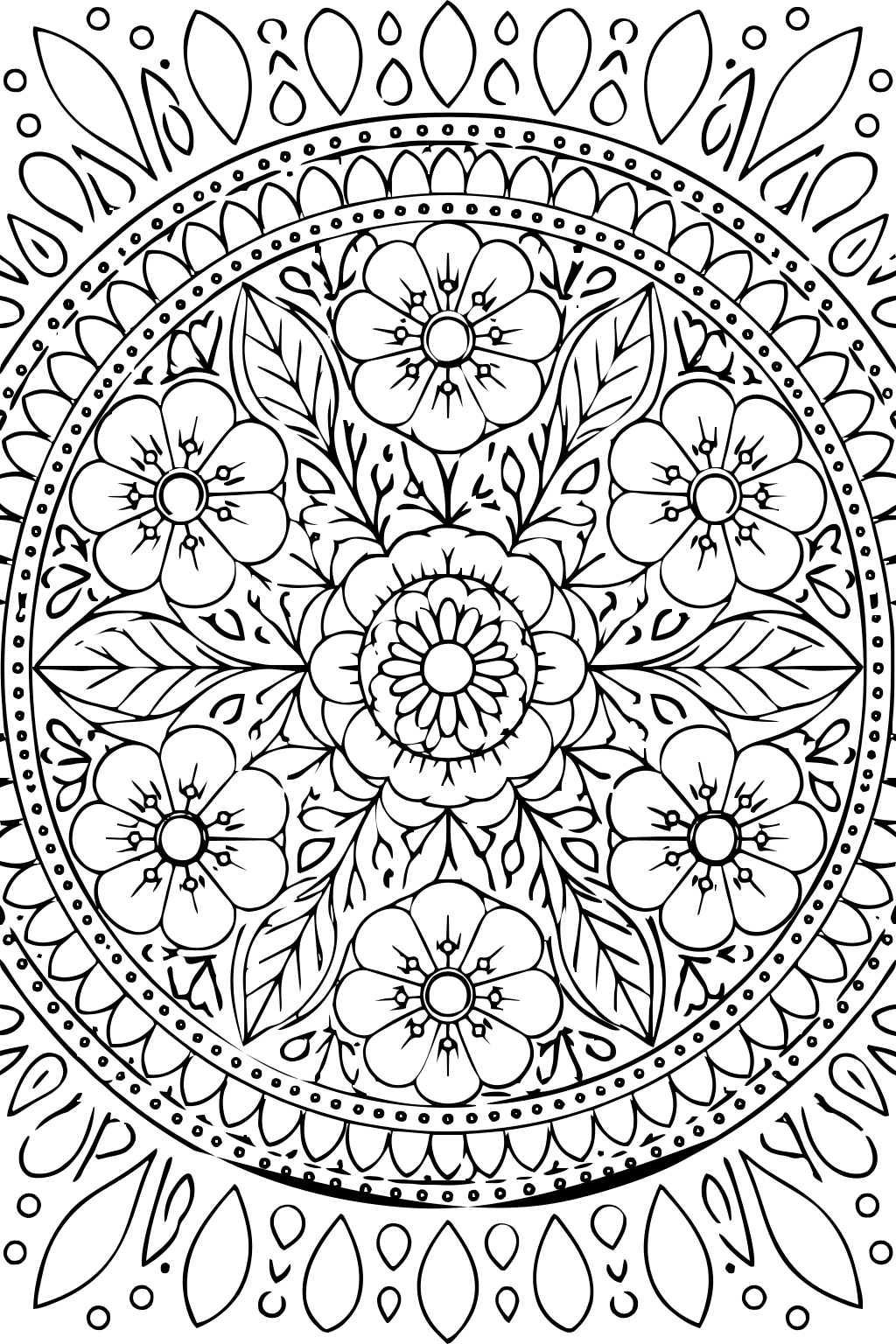
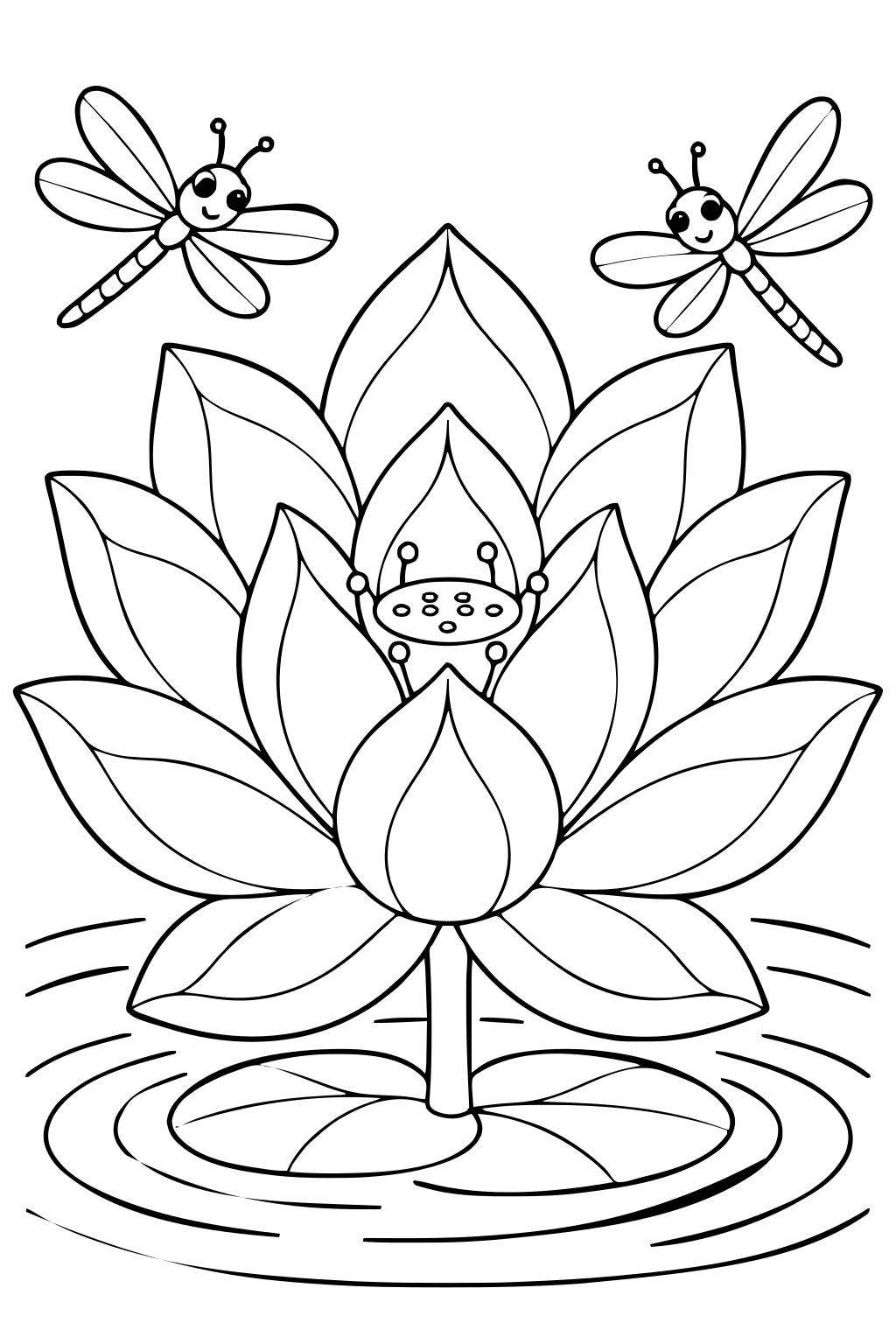
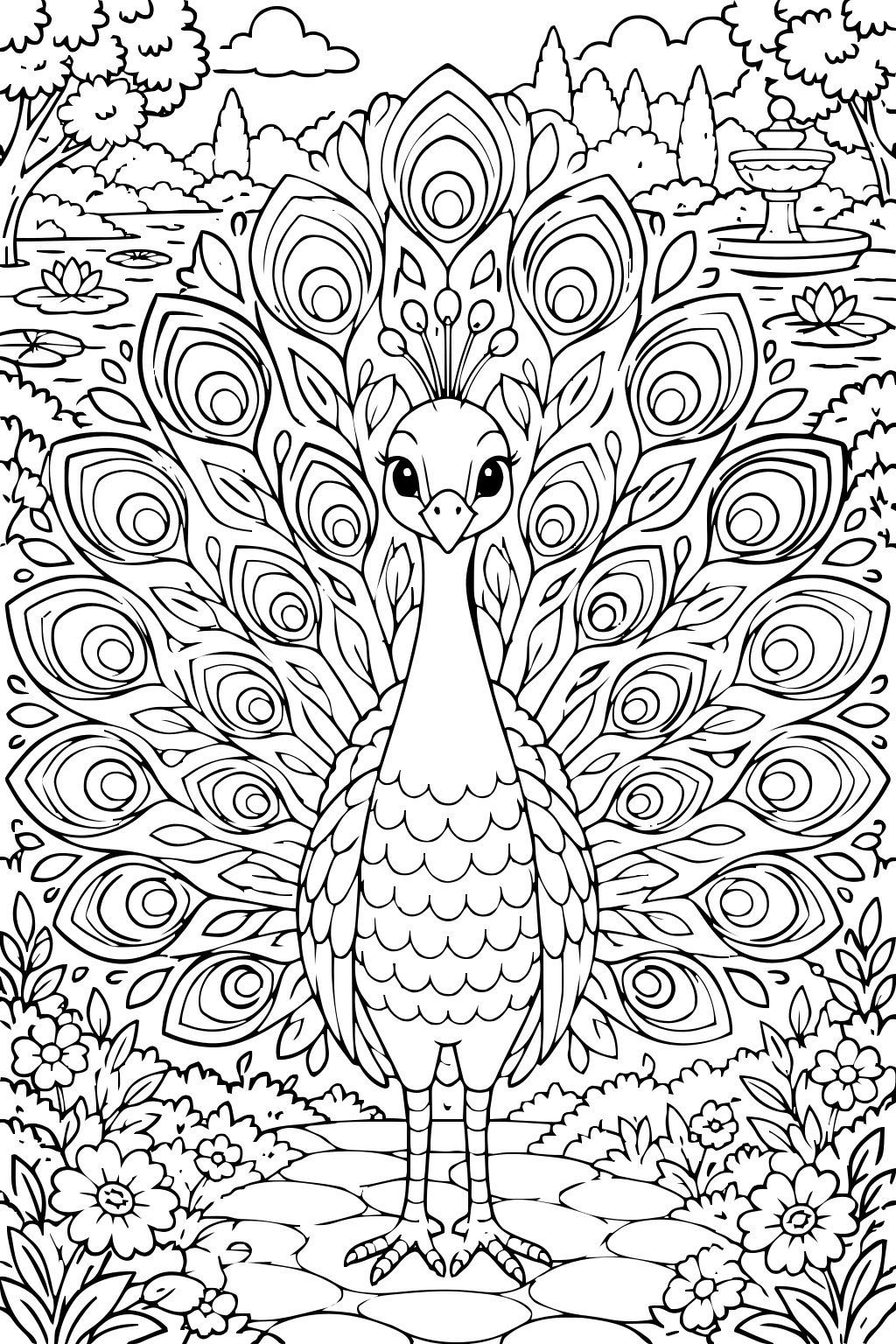
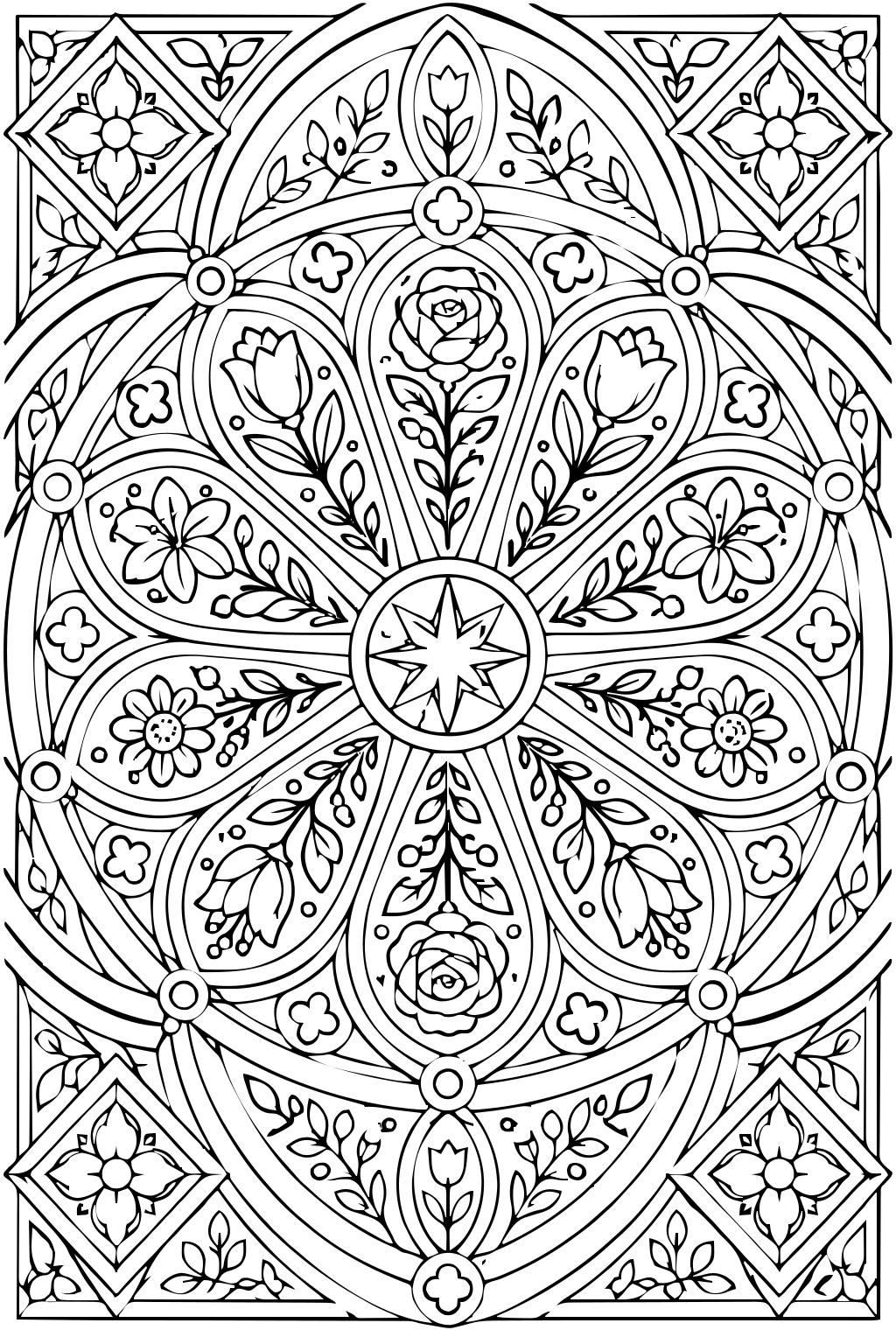
The range here is genuinely impressive. Fans of sacred architecture will love the intricate cathedral rose-window designs, whose radiating geometry echoes the breathtaking windows found in Gothic churches. Nature lovers can reach for peacock pages featuring brilliantly fanned tail feathers, a graceful lotus blossom, or a serene dove — each one perfectly suited to the stained glass treatment. There are also Art Nouveau–style butterfly designs full of swooping curves, a majestic Tree of Life branching across the page, and a fox stepping through a forest rendered in glowing geometric panels. Floral mandala pages bridge the gap between stained glass and classic mandala art, giving you the best of both worlds. Every design is drawn with clean, confident lines so the color cells read clearly when printed.
Printing Tips and the Best Approach by Skill Level
For the truest stained glass effect, print on bright white paper (80–90 g/m²) using a laser or inkjet printer set to its highest quality mode — this keeps the outlines crisp and dark. Younger children (ages 5–9) do best with the simpler peacock or dove pages, where the cells are large and forgiving. Older kids and teens will enjoy the cathedral rose window or Art Nouveau butterfly, which reward patience and fine motor control. Adults tackling the Tree of Life or floral mandala pages might try alcohol-based markers or watercolor pencils blended wet-on-wet for a genuinely translucent, backlit look. Holding the finished page up to a window against natural light is the ultimate reveal — the colors glow just like real stained glass.
Looking for more intricate artwork to color? Explore our Mandala coloring pages for beautifully symmetrical designs, or browse our Adult coloring pages for a broader selection of detailed sheets. If you enjoy the meditative side of coloring, our Anti-stress coloring pages offer even more calming, focused designs to unwind with.
Coloring ideas for stained glass
Go bold — stained glass thrives on saturated jewel tones like sapphire blue, ruby red, emerald green, and amber gold. Keep each cell a single solid color for maximum impact, and reserve black or very dark pencil pressure for the leading lines between cells. For a glowing effect, leave the very center of larger cells slightly lighter than the edges, simulating transmitted light.
Frequently asked questions about stained glass coloring pages
What age or skill level are these stained glass coloring pages best suited for?
There's something here for everyone. Children aged 5 and up can handle the larger-celled peacock or dove designs with crayons or thick markers. Pages like the cathedral rose window or the Art Nouveau butterfly are better suited to ages 10 and up, or any beginner adult who enjoys a satisfying challenge. The floral mandala and Tree of Life are ideal for experienced colorists looking for a detailed, meditative project.
How do I print these stained glass coloring pages at home?
Simply click the print or download button on any page — no account needed. Select A4 or US Letter paper size in your printer dialog and choose the highest print-quality setting available. Bright white paper (80 g/m² or heavier) gives the sharpest outlines. If your printer has a 'fit to page' option, enable it so nothing gets cropped at the edges.
Are the PDF files free to download?
Yes, every PDF on this site is completely free. There are no subscription fees, no sign-up requirements, and no hidden costs. You can download and print as many copies as you like — great for classrooms, birthday parties, or simply reprinting a favorite page when you want to try a new color scheme.
What coloring tools work best to achieve a real stained glass look?
Alcohol-based markers (such as Copic or Ohuhu) are the top choice — they lay down smooth, vibrant color with no streaks and give that luminous, slightly transparent quality that mimics real stained glass. Gel pens work well for small detail cells. Watercolor pencils applied dry and then lightly blended with a damp brush also produce a beautiful translucent effect on heavier paper stock.